
Cheek Filler Swelling Stages: Your Complete Day-by-Day Guide
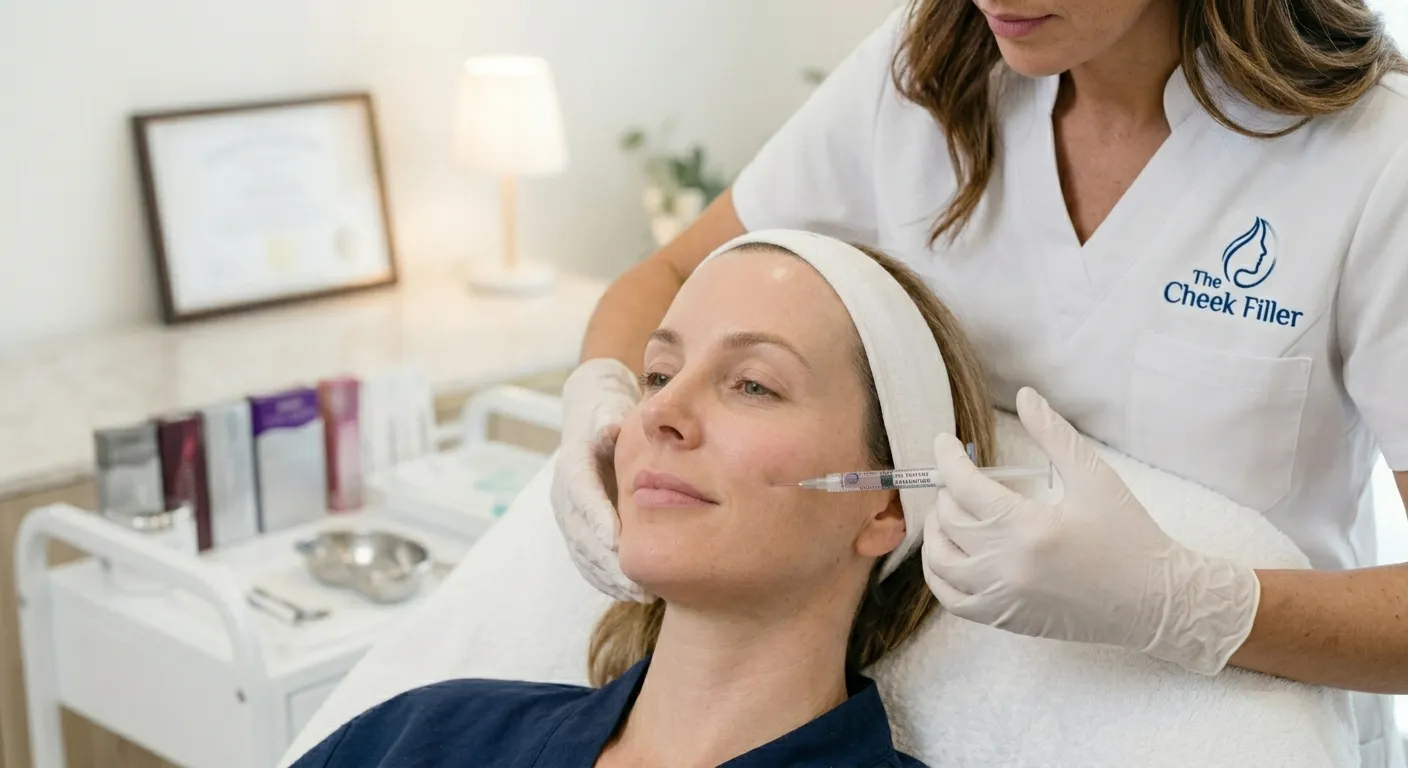
Getting cheek fillers is an exciting step toward a more lifted and contoured face, but the swelling that follows can sometimes feel surprising. If you’re wondering how much swelling is normal, when it peaks, and how long it actually takes to see your final results, you’re not alone.
This day-by-day guide walks you through the cheek filler swelling stages from the moment you leave the clinic until the swelling completely settles. You’ll learn what to expect each day, practical tips to reduce discomfort faster, and when you can finally enjoy your refreshed, natural-looking cheeks without the puffiness.
Whether you just had your treatment or you’re still researching, this guide will help you feel more prepared and confident throughout your recovery journey
Cheek Filler Swelling Stages: A Day-by-Day Healing Timeline
Understanding how swelling progresses after cheek fillers can help you stay calm and know what’s normal. While everyone heals a little differently, most people go through similar stages. Here is a realistic breakdown so you know exactly what to expect at each step.
Day 1: Immediate Swelling and Tenderness

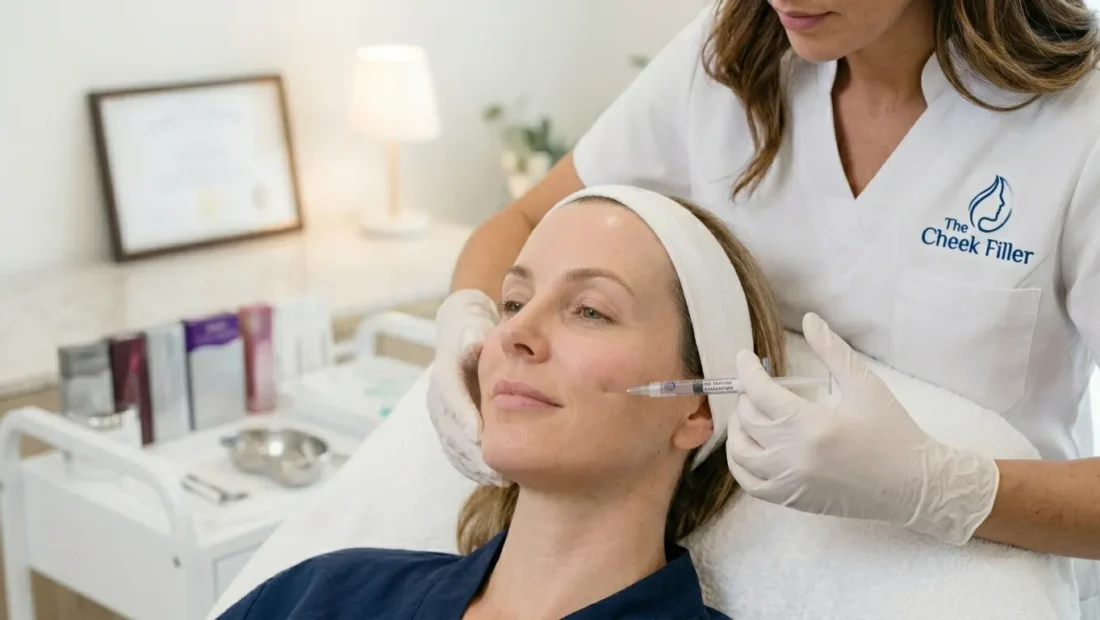
Right after your cheek filler treatment, it’s completely normal to notice visible swelling and slight redness. Your cheeks may feel firm, tight, or even a bit uneven at first. This is simply your body reacting to the injections. Mild bruising can also start to appear.
At this stage, the filler hasn’t fully settled yet. Using ice packs (gently) and keeping your head elevated can help reduce initial swelling. Avoid touching or pressing the area too much.
Days 2–3: Peak Swelling Phase
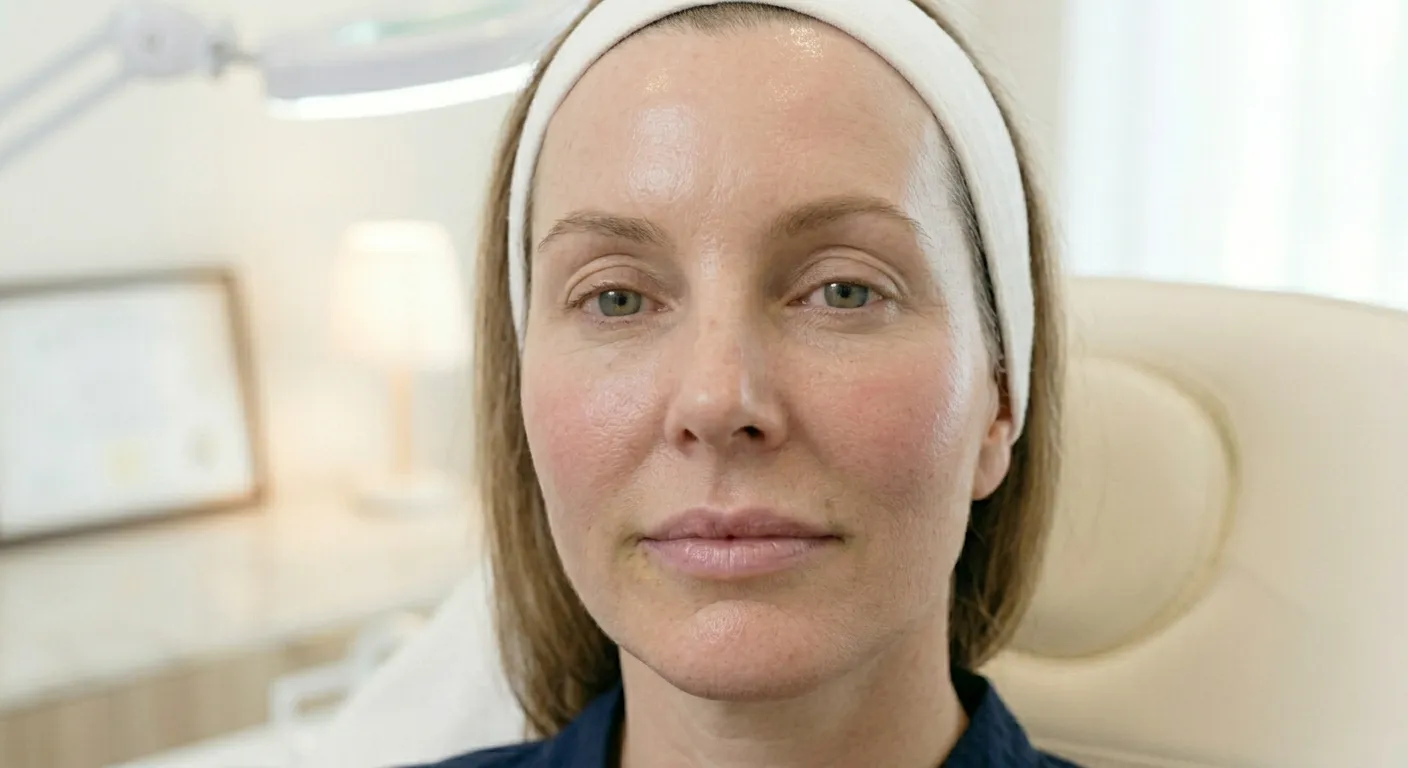
This is when swelling usually reaches its peak. Your cheeks might look fuller than expected, and any bruising may become more noticeable. Don’t panic, this is one of the most common cheek filler swelling stages.
You may also feel slight discomfort or pressure, especially when smiling or touching your face. Staying hydrated and avoiding salty foods can help minimize excess fluid retention.
Days 4–7: Swelling Starts to Subside
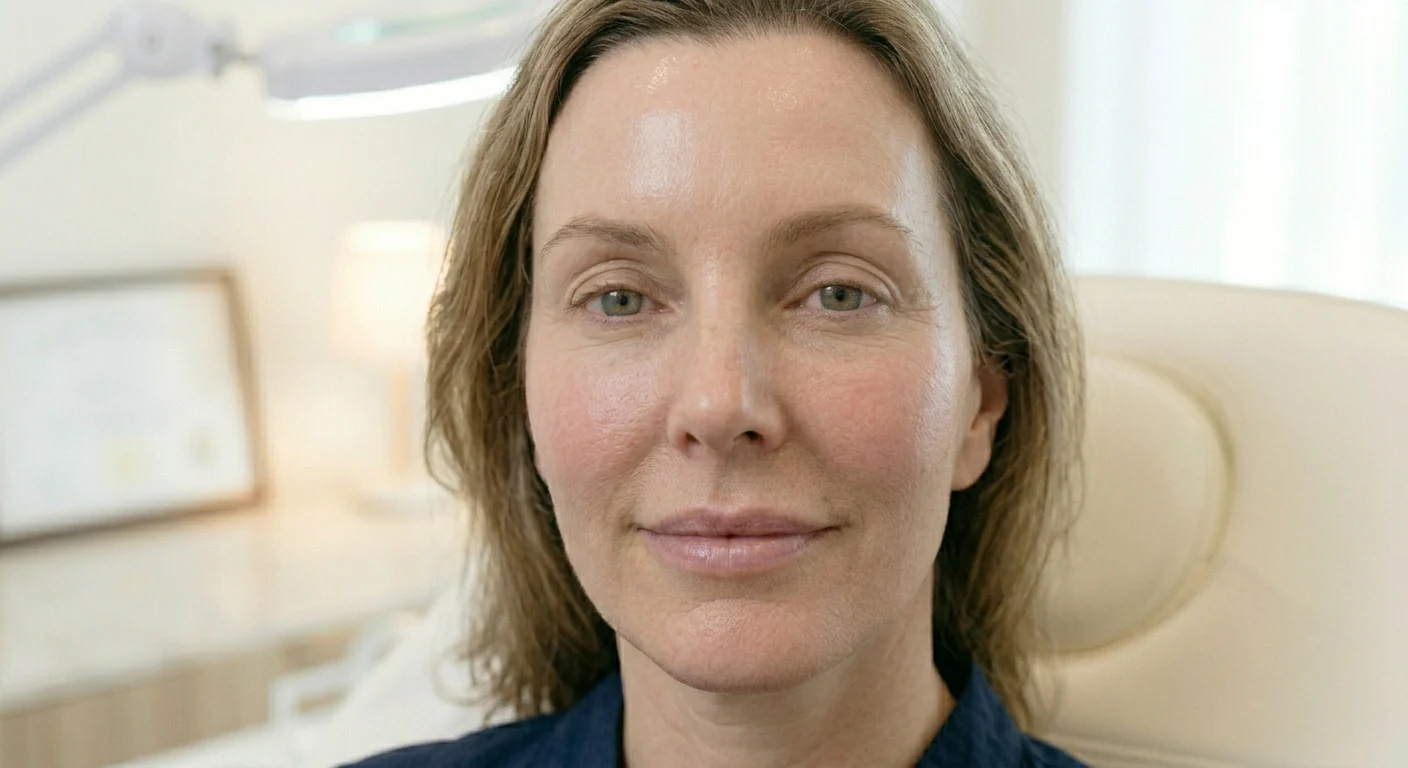
By this point, the swelling begins to subside. Your cheeks will start looking more natural, and any bruising should begin to fade. You’ll notice the shape becoming more refined as the filler settles into place.
This is often when patients start to feel more confident about their results, although the healing process isn’t yet complete.
Week 2: Visible Improvement and Natural Look
Around the second week, most of the swelling has resolved. Your cheeks should look softer, more balanced, and closer to the final result. Any remaining minor swelling is usually only noticeable to you.
This stage is often considered the “almost there” phase, where your facial contours appear smoother and more defined.
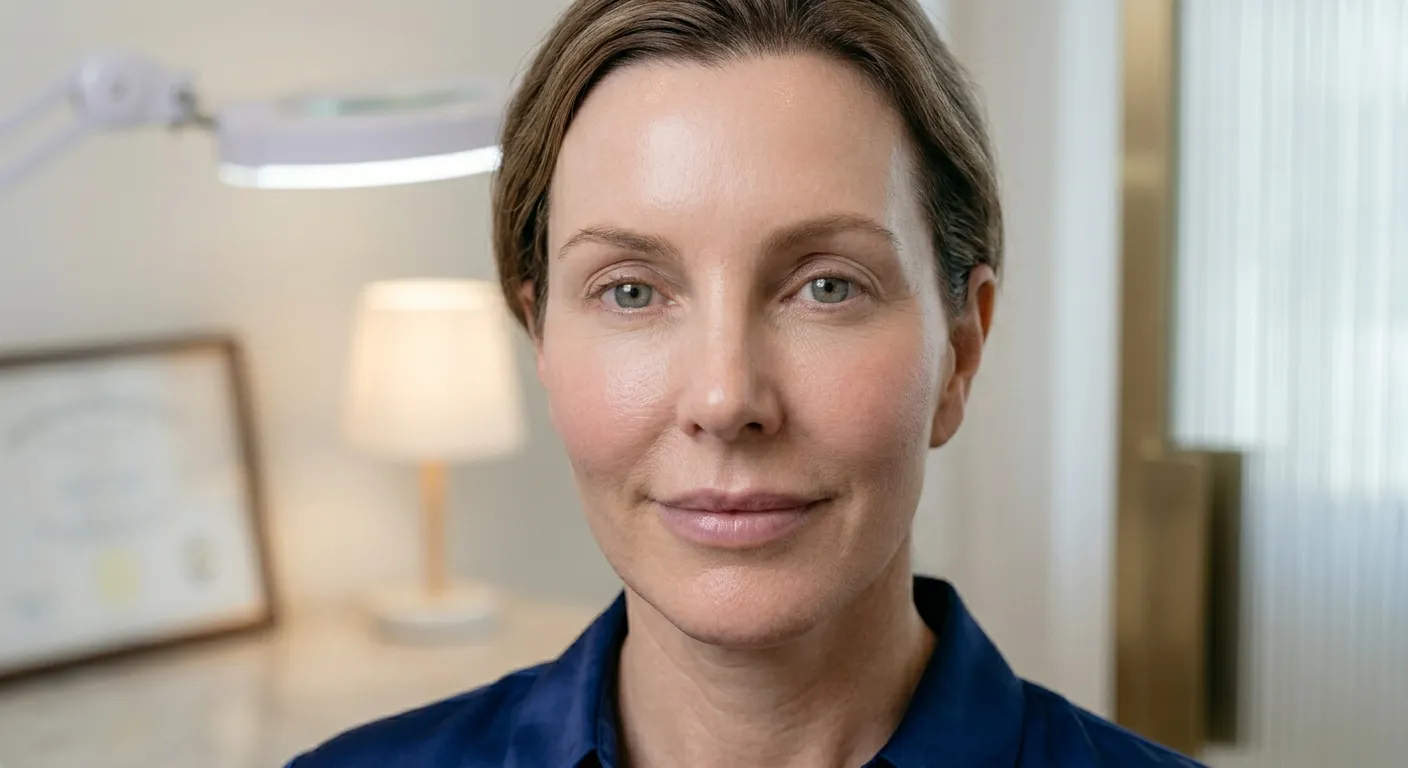
Weeks 3–4: Final Results and Full Healing
By weeks three to four, your cheek filler results are typically fully settled. Swelling is minimal to none, and the filler has integrated naturally with your facial tissue.
At this stage, what you see is very close to your final outcome. Your cheeks should look enhanced but still natural, exactly what most people aim for with dermal fillers.

When Does Swelling Fully Go Down and Final Results Appear?
One of the most common questions after getting cheek fillers is how long it takes to see the final, settled results. In most cases, noticeable swelling improves within the first 5 to 7 days, but it can take about 2 weeks for the majority of swelling to fully subside. By this point, your cheeks typically look more natural, balanced, and in line with your expectations. However, for complete healing and optimal results, it’s best to allow up to 3 to 4 weeks. This gives the dermal filler enough time to properly integrate with your facial tissues and for any subtle, lingering swelling to disappear.
Factors That Influence Cheek Filler Swelling and Recovery
- Metabolism: A faster metabolism may help your body process and settle the filler more quickly, while a slower metabolism can slightly extend the swelling phase.
- Skin Sensitivity: If your skin is more sensitive, you may experience more noticeable swelling or bruising during the early healing stages.
- Type of Dermal Filler Used: Hyaluronic acid-based fillers typically settle smoothly, but mild swelling fluctuations are still common in the first few days.
- Injector’s Technique: The skill and experience of your injector play a big role in how evenly the filler is placed and how your body responds during recovery.
- Aftercare Habits: Avoiding excessive heat, limiting intense physical activity for a few days, and staying well-hydrated can significantly support healing and reduce prolonged swelling.
From a safety and trust perspective, always rely on guidance from a qualified and experienced practitioner. They can assess whether your healing is progressing normally. If swelling persists beyond a few weeks or feels unusual. It is best to consult your provider for reassurance. In general, patience is key. What may look slightly overfilled in the first few days often softens into a subtle, natural-looking enhancement once the swelling fully resolves.
Book a Consultation at The Cheek Filler
Taking the first step toward cheek fillers starts with a personalized consultation. At The Cheek Filler, you’ll receive expert guidance tailored to your facial features, goals, and expectations. A qualified practitioner will assess your needs, recommend the right dermal filler, and explain the treatment, recovery, and expected results.
Considering treatment?
Browse injectors in our directory and compare their training, treatments and location before you book a consultation.