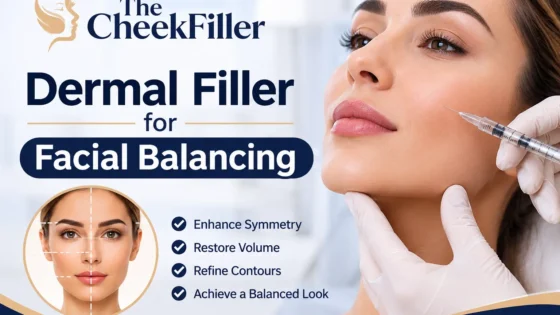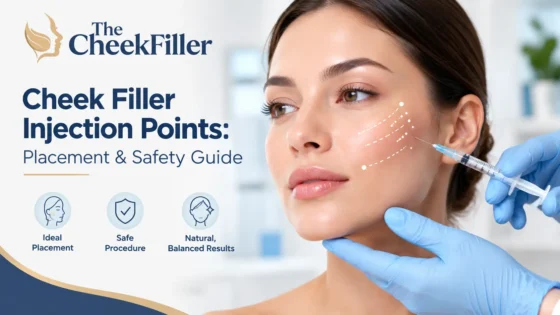
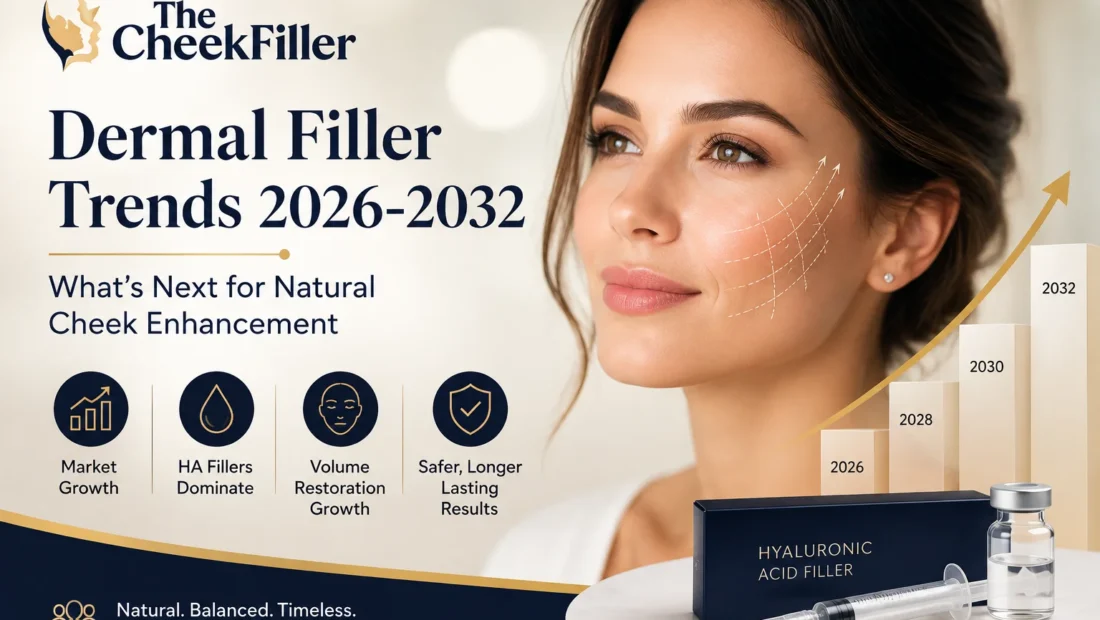
If you’ve been thinking about dermal fillers lately, you’re not alone. More people than ever are turning to these treatments for a refreshed look without going under the knife, and the numbers back it up. Between 2026 and 2032, the dermal fillers market is set for steady growth, driven by a clear shift toward subtle, natural results.
We’re seeing stronger demand for hyaluronic acid fillers that restore lost volume, soft lift, and facial balance while keeping downtime low. Aging populations, rising interest in non-surgical options, and better product formulations are all playing a part. Clinics across the U.S. are reporting that patients want results that move with their face and still look like them, just more rested and defined.
At The Cheek Filler, we watch these trends closely because they shape how we approach every treatment. Whether it’s longer-lasting mid-face support, improved safety profiles, or techniques that prioritize natural contours, the coming years will bring even more refined options. In this post, we’ll break down the key dermal filler trends expected through 2032, what the market data tells us, and how these shifts can help you decide if cheek fillers or related treatments are right for your goals.
What’s Driving the Dermal Fillers Market Forward
The numbers tell a clear story. According to Fortune Business Insights, the global dermal fillers market reached about USD 5.15 billion in 2025 and is projected to climb to USD 8.29 billion by 2032, growing at a compound annual rate of roughly 7%. Some updated forecasts push that even higher, toward nearly USD 10 billion by the early 2030s.
What sits behind those figures? A mix of practical reasons. People want results without the recovery time of surgery. The population is aging, yet many want to keep looking refreshed rather than dramatically altered. Social media and greater openness about aesthetic treatments have also made fillers feel more everyday than exceptional.
Hyaluronic acid fillers continue to lead the pack. Reports consistently show them holding the largest share because they are reversible, integrate well with natural tissue, and deliver predictable outcomes. Biodegradable options overall dominate, which matches what most patients prefer: temporary enhancement they can adjust over time.
Procedure Volume Shows Real Demand
Looking at actual treatments performed gives another useful lens. The International Society of Aesthetic Plastic Surgery (ISAPS) reported that hyaluronic acid filler procedures reached 6.3 million worldwide in 2024, up 5.2% from the previous year. In the United States, the American Society of Plastic Surgeons (ASPS) recorded more than 5.3 million hyaluronic acid filler treatments in 2024, with non-hyaluronic acid options (such as calcium hydroxylapatite and poly-L-lactic acid) adding nearly another million.
These aren’t abstract market figures. They reflect patients choosing volume restoration, especially in the mid-face and cheeks, over more invasive alternatives.
Key Trends Shaping Treatments Through 2032
Several shifts stand out when you look at both the data and what we’re seeing in practice.
Natural, Balanced Results Over Dramatic Change
Patients increasingly ask for subtle lift and definition rather than obvious volume. Cheek and mid-face treatments have become central to this approach. Restoring support in the cheeks can soften the appearance of lower-face folds and create a more rested look without changing someone’s fundamental features. This preference for harmony is expected to keep growing.
Longer-Lasting and Collagen-Supporting Options
While hyaluronic acid remains the foundation, interest in products that also stimulate the body’s own collagen continues to rise. Calcium hydroxylapatite and poly-L-lactic acid fillers offer both immediate structure and longer-term skin quality improvements. Many clinics now combine approaches depending on the patient’s goals and anatomy.
Greater Focus on Safety and Precision
Technique and product selection matter more than ever. Cannula use, ultrasound guidance in some settings, and better understanding of facial anatomy are becoming standard for experienced injectors. Patients are also more informed and ask detailed questions about product longevity, reversibility, and aftercare. This emphasis on safety supports sustained market growth rather than short-term spikes.
Expanding Patient Demographics
Men and younger adults form a larger share of the patient base than a decade ago. Social acceptance and the desire to maintain facial volume earlier have broadened the conversation. At the same time, patients in their 40s, 50s, and beyond remain core drivers as they seek non-surgical ways to address age-related volume loss.
Here’s a simple overview of current market segments based on recent industry analysis:
| Segment | Key Insight | Approximate Share / Outlook |
| Hyaluronic Acid | Preferred for safety and reversibility | Dominant (often ~70–76%) |
| Biodegradable Fillers | Aligns with patient preference for temporary results | Majority of market |
| Volume Restoration | Strong growth area, especially mid-face/cheeks | Rising application segment |
| Specialty Clinics | Primary setting for most treatments | Leading end-user category |
| North America / Asia-Pacific | Mature demand vs. fastest regional growth | Both significant contributors |
What These Trends Mean for Cheek Fillers Specifically
Cheek fillers sit right at the intersection of these developments. Mid-face volume loss is one of the earliest and most noticeable signs of aging for many people. Strategic placement of appropriate fillers can restore support, improve facial proportions, and create a gentle lifting effect that often softens the appearance of nasolabial folds as a secondary benefit.
Because the mid-face is a relatively stable area with less constant movement than the lips, results from quality hyaluronic acid products frequently last 12–18 months or longer for many patients. Products designed for deeper placement, such as those with higher G-prime, are particularly well suited here.
As formulations improve and techniques refine, we expect even more customized approaches.
Practical Considerations If You’re Exploring Treatment
If the trends above resonate with you, a few grounded points can help as you think things through:
- Results depend heavily on the injector’s experience and understanding of facial anatomy. Board-certified providers with a focus on natural outcomes tend to deliver more consistent results.
- Not every face needs the same product or volume. A thoughtful consultation should include assessment of your specific volume loss, skin quality, and long-term goals.
- Maintenance is part of the process. Most modern fillers are temporary, so planning for follow-up treatments helps preserve results.
- Realistic expectations matter. Fillers enhance and restore; they do not stop the aging process or replace the need for good skincare and lifestyle habits.
Looking Ahead to 2032
The dermal fillers market is not heading toward more extreme looks. The clear direction is refined, personalized, and safety-conscious treatment. Continued innovation in product science, combined with better training and patient education, should make natural cheek and mid-face enhancement even more accessible and predictable.
Whether you’re already familiar with fillers or simply curious about maintaining facial balance as the years progress, understanding these broader trends can help you make informed decisions. The best outcomes still come from a careful conversation with a qualified provider who listens to your goals and works with your unique features rather than against them.
At The Cheek Filler, we stay closely aligned with these developments so we can offer treatments that feel current, considered, and true to each person who walks through our door. If you’d like to discuss what these trends might mean for your own face, we’re here to talk it through.
Considering treatment?
Browse injectors in our directory and compare their training, treatments and location before you book a consultation.